With the rise of How Ecommerce Platforms Are Powering SMB Growth, businesses are experiencing a paradigm shift in their operations. This article delves into the transformative effects of ecommerce platforms on small and medium enterprises, shedding light on the key benefits and success stories that have emerged from this digital revolution.
As we explore the different facets of this topic, it becomes evident how crucial ecommerce platforms have become in driving growth and success for SMBs in today's competitive market landscape.
Importance of Ecommerce for SMB Growth
Ecommerce platforms have transformed the landscape for small and medium businesses, providing them with unprecedented opportunities for growth and expansion.
Key Benefits of Using Ecommerce Platforms for SMBs
- Increased Reach: Ecommerce allows SMBs to reach a global audience, breaking down geographical barriers and tapping into new markets.
- 24/7 Availability: Online stores are open round the clock, enabling businesses to cater to customers at any time, increasing sales potential.
- Cost-Effective Operations: Ecommerce eliminates the need for physical storefronts, reducing overhead costs and making it more affordable for SMBs to start and scale their businesses.
- Data-driven Insights: Ecommerce platforms provide valuable data and analytics that help SMBs understand customer behavior, preferences, and trends, allowing for targeted marketing strategies.
Examples of Successful SMBs Due to Ecommerce Presence
One notable example is Warby Parker, an eyewear company that started as an online retailer and quickly gained traction, disrupting the traditional eyewear industry. By leveraging their ecommerce platform, Warby Parker reached a wide customer base, offering affordable and stylish glasses, leading to significant growth and success.
Features and Tools Offered by Ecommerce Platforms
Ecommerce platforms offer a variety of features and tools that are essential for the growth of small and medium-sized businesses (SMBs). These tools provide SMBs with the necessary infrastructure to reach a wider audience, manage their operations efficiently, and ultimately drive growth.
Inventory Management
One of the key features offered by ecommerce platforms is inventory management. This tool allows SMBs to keep track of their stock levels, monitor product availability, and streamline the ordering process. By having real-time visibility into their inventory, SMBs can avoid stockouts, optimize their supply chain, and ensure timely delivery to customers.
Analytics
Ecommerce platforms also provide robust analytics tools that allow SMBs to track and analyze key performance indicators (KPIs) such as website traffic, conversion rates, and customer behavior. By leveraging data-driven insights, SMBs can make informed decisions, identify trends, and optimize their marketing strategies to drive sales and revenue growth.
Marketing Automation
Another important tool offered by ecommerce platforms is marketing automation. This feature enables SMBs to automate repetitive marketing tasks such as email campaigns, social media posts, and customer segmentation. By automating these processes, SMBs can save time, improve efficiency, and deliver personalized marketing messages to their target audience, ultimately driving engagement and loyalty.
Comparison of Ecommerce Platforms
| Ecommerce Platform | Unique Features |
|---|---|
| Shopify | Easy-to-use interface, extensive app store, built-in marketing tools. |
| WooCommerce | Customizability, integration with WordPress, wide range of plugins. |
| BigCommerce | Scalability, built-in tools, multi-channel selling capabilities. |
Customization and Branding Opportunities
Customization and branding play a crucial role in helping SMBs establish a unique identity and stand out in the competitive landscape of ecommerce platforms. By leveraging customization features and branding opportunities, SMBs can create a memorable online presence that resonates with their target audience.
Importance of Customization and Branding
Customization allows SMBs to tailor their online stores to reflect their brand identity, values, and aesthetic preferences. This personal touch helps in building customer trust and loyalty, ultimately leading to increased sales and customer retention. Branding, on the other hand, enables SMBs to differentiate themselves from competitors and create a lasting impression on consumers.
Tips for Effective Customization
- Consistent Branding: Ensure that all elements of your online store, including logo, color scheme, and typography, align with your brand guidelines.
- User-Friendly Interface: Make navigation easy for visitors by organizing products and categories logically and providing intuitive search functionality.
- High-Quality Visuals: Use professional images and videos to showcase your products in the best light and enhance the overall shopping experience.
- Personalization Options: Offer customization features such as product personalization, recommendations based on browsing history, and personalized marketing messages to engage customers.
Examples of Successful Branding
One notable example of a SMB that has effectively leveraged branding opportunities on ecommerce platforms is "XYZ Jewelry." By creating a cohesive brand identity with a focus on sustainability and ethical sourcing, XYZ Jewelry has attracted a loyal customer base that values transparency and authenticity in their purchases.
Through consistent branding across their website, social media channels, and packaging, XYZ Jewelry has managed to carve out a niche in the competitive jewelry market.
Integration with Third-Party Services
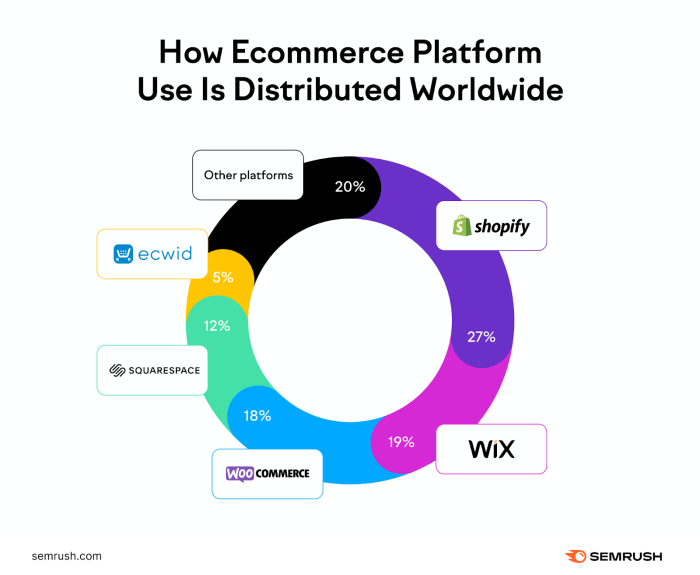
Integrating ecommerce platforms with third-party services is crucial for SMB growth as it allows businesses to streamline operations, enhance customer experience, and expand their reach. By leveraging popular third-party services like payment gateways, shipping providers, and CRM systems, SMBs can optimize their online presence and drive sales effectively.
Payment Gateways
- Payment gateways such as PayPal, Stripe, and Square enable secure online transactions by processing credit card payments and other forms of digital payments.
- Integrating a payment gateway with an ecommerce platform ensures smooth checkout experiences for customers, leading to higher conversion rates.
- SMBs can easily integrate payment gateways by following the platform-specific instructions provided by the service provider and configuring the settings in their ecommerce dashboard.
Shipping Providers
- Shipping providers like UPS, FedEx, and USPS offer reliable shipping solutions for SMBs to deliver products to customers efficiently.
- Integrating a shipping provider with an ecommerce platform allows businesses to calculate shipping costs, print shipping labels, and track shipments seamlessly.
- SMBs can integrate shipping providers by setting up accounts with the chosen service, configuring shipping settings in their ecommerce platform, and generating shipping labels as needed.
CRM Systems
- CRM systems such as Salesforce, HubSpot, and Zoho CRM help SMBs manage customer relationships, track sales data, and personalize marketing campaigns.
- Integrating a CRM system with an ecommerce platform enables businesses to sync customer data, automate follow-up emails, and analyze customer behavior for targeted marketing strategies.
- SMBs can integrate CRM systems by mapping data fields between the ecommerce platform and the CRM, setting up automation rules, and leveraging customer insights to drive growth.
Conclusive Thoughts

In conclusion, the impact of How Ecommerce Platforms Are Powering SMB Growth cannot be understated. It has opened up a world of possibilities for businesses looking to expand their reach and increase their revenue streams. By leveraging the features, tools, and customization options offered by ecommerce platforms, SMBs can truly scale their operations and thrive in the digital age.
Top FAQs
How can SMBs benefit from integrating ecommerce platforms with third-party services?
By integrating with payment gateways, shipping providers, and CRM systems, SMBs can streamline their operations, enhance customer experience, and improve overall efficiency. This integration allows for seamless transactions and data management, ultimately driving growth and success.
Why is customization important for SMBs on ecommerce platforms?
Customization enables SMBs to create a unique brand identity, stand out in a crowded market, and cater to specific customer needs. By personalizing their online stores, SMBs can build customer loyalty and establish a strong online presence, essential for sustained growth.
Which ecommerce platform offers the best inventory management tools for SMBs?
While there are several options available, Shopify is known for its robust inventory management features tailored to the needs of SMBs. With real-time tracking, automatic updates, and customizable reports, Shopify provides SMBs with the tools they need to efficiently manage their inventory and drive growth.