
Exploring the realm of Office Fit Out Companies: Implementing Acoustic Solutions for Open-Plan Areas, this introduction sets the stage for a deep dive into the importance of sound management in modern workspaces. It sheds light on how acoustic solutions can significantly impact productivity, employee well-being, and the overall work environment.
Continuing on, this overview will delve into the various types of acoustic solutions available, design considerations, successful case studies, and more, providing a comprehensive understanding of this crucial aspect of office design.
Importance of Acoustic Solutions in Open-Plan Areas
Sound management plays a crucial role in open-plan office environments where multiple employees work in close proximity. Poor acoustics can lead to a range of negative impacts on both productivity and employee well-being.
Impact on Productivity
Excessive noise levels in open-plan areas can create distractions and hinder concentration, leading to decreased productivity. Phone conversations, background chatter, and other noise sources can disrupt employees' focus and workflow, affecting their ability to complete tasks efficiently.
Impact on Employee Well-being
Poor acoustics can also have negative effects on employee well-being, causing stress, fatigue, and even health issues such as headaches and increased blood pressure. Constant exposure to high noise levels can lead to decreased job satisfaction and overall morale among the workforce.
Benefits of Implementing Acoustic Solutions
Implementing acoustic solutions in open-plan areas can help create a more conducive work environment by reducing noise levels and enhancing sound quality. This can improve concentration, communication, and overall comfort for employees, leading to higher productivity and job satisfaction. Acoustic solutions such as sound-absorbing panels, partitions, and ceiling treatments can effectively manage noise levels and create a more harmonious workplace.
Types of Acoustic Solutions for Office Fit Outs
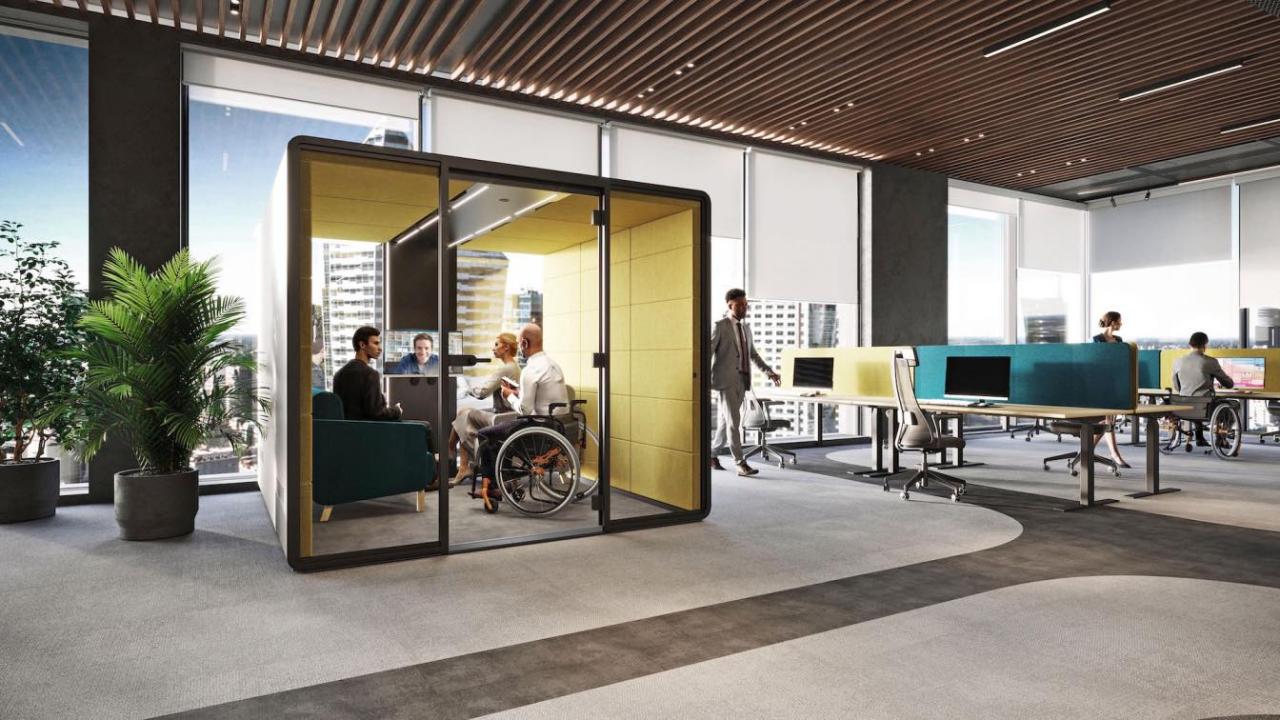
When it comes to creating a conducive work environment in open-plan areas, different types of acoustic solutions can be implemented to reduce noise levels and enhance productivity.
Sound-Absorbing Panels
- These panels are designed to absorb sound waves, preventing them from bouncing off hard surfaces and creating echoes.
- They are typically made from materials like fabric, foam, or fiberglass, and can be mounted on walls or ceilings.
- Sound-absorbing panels are effective in reducing reverberation and improving speech intelligibility in open-plan offices.
Sound Masking Systems
- Sound masking systems emit a low-level background noise that helps to mask unwanted sounds and improve speech privacy.
- By introducing a consistent ambient noise, these systems can reduce distractions and create a more comfortable work environment.
- Sound masking systems are particularly useful in open-plan areas where privacy and concentration are essential.
Acoustic Ceiling Treatments
- Acoustic ceiling treatments, such as acoustic tiles or clouds, are designed to absorb sound and reduce noise transmission between floors.
- They can help to minimize noise disturbances from above and create a quieter and more comfortable workspace.
- Acoustic ceiling treatments are effective in improving overall sound quality and reducing the impact of noise in open-plan areas.
Design Considerations for Implementing Acoustic Solutions
When integrating acoustic solutions into open-plan office areas, it is crucial to consider the design aspects to ensure a harmonious blend of functionality and aesthetics. Selecting the right materials and strategies can greatly impact the overall ambiance and productivity of the workspace.Seamless Integration of Acoustic Solutions
- Opt for acoustic panels that double as decorative elements, such as printed or textured panels that add visual interest to the space.
- Consider incorporating sound-absorbing furniture pieces like sofas, chairs, or partitions to dampen noise without compromising on style.
- Integrate acoustic ceiling solutions that complement the overall design theme while effectively reducing reverberation and sound transmission.
Selecting Materials for Acoustic Treatments
- Choose sound-absorbing materials that match the existing color palette or design elements to maintain a cohesive look throughout the office.
- Experiment with eco-friendly options like recycled fabrics, cork, or felt that not only provide acoustic benefits but also align with sustainability goals.
- Balance the need for sound absorption with the desired aesthetic appeal by exploring innovative materials like acoustic plaster or perforated metal panels.
Balancing Functionality and Design
- Ensure that the acoustic solutions do not overpower the overall design scheme but rather enhance the workspace environment discreetly.
- Collaborate with interior designers to seamlessly integrate acoustic elements into the office layout without compromising on the visual appeal or functionality of the space.
- Test different materials and configurations to find the optimal balance between acoustic performance and design aesthetics for a cohesive and productive work environment.
Case Studies of Successful Acoustic Solutions Implementation
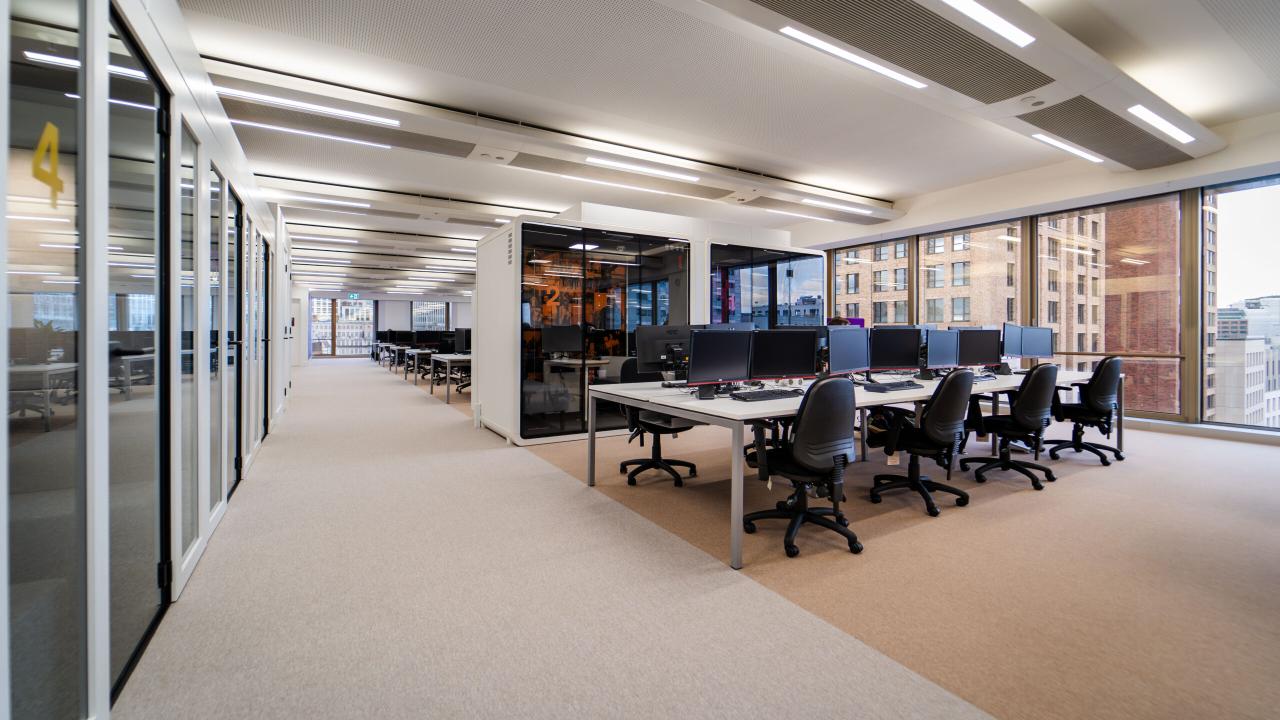 Acoustic solutions play a crucial role in creating a productive and comfortable work environment in open-plan office spaces. Let's explore some real-life examples of office fit out projects that successfully implemented acoustic solutions to address noise issues and enhance workspace satisfaction.
Case Study 1: XYZ Corporation
XYZ Corporation, a growing tech company, faced significant noise challenges in their open-plan office. Employees struggled to concentrate due to constant distractions and high noise levels. To tackle this issue, the company decided to install sound-absorbing panels, acoustic ceiling tiles, and noise-canceling partitions throughout the workspace. Despite initial concerns about the cost and disruption during installation, the results were remarkable. The noise levels decreased significantly, leading to improved focus and productivity among employees. Overall, the workspace satisfaction and employee morale saw a noticeable boost after the implementation of these acoustic solutions.Case Study 2: ABC Inc.
ABC Inc., a design agency known for its creative work, experienced similar noise-related challenges in their open-plan office. The team often found it hard to brainstorm and collaborate effectively due to the noise distractions. In response, the company opted for a combination of acoustic furniture, sound masking systems, and strategic layout changes to create designated quiet zones. Despite initial skepticism about the effectiveness of these solutions, the outcomes were impressive. The noise disruptions reduced significantly, enabling the team to work collaboratively in a more focused and productive manner. The before-and-after scenarios clearly demonstrated a positive impact on employee satisfaction and overall work quality.Last Word
In conclusion, the journey through the world of acoustic solutions for open-plan areas reveals the critical role they play in creating a harmonious work environment. By implementing these solutions effectively, businesses can enhance productivity, employee satisfaction, and overall workplace ambiance.
FAQ Explained
What are the common types of acoustic solutions for open-plan areas?
Common types include sound-absorbing panels, sound masking systems, and acoustic ceiling treatments.
How can businesses seamlessly integrate acoustic solutions into office design?
Businesses can follow best practices and select materials that balance functionality and aesthetics for effective integration.
What are the benefits of implementing acoustic solutions in open-plan areas?
Implementing acoustic solutions can reduce noise levels, improve productivity, and enhance employee well-being.